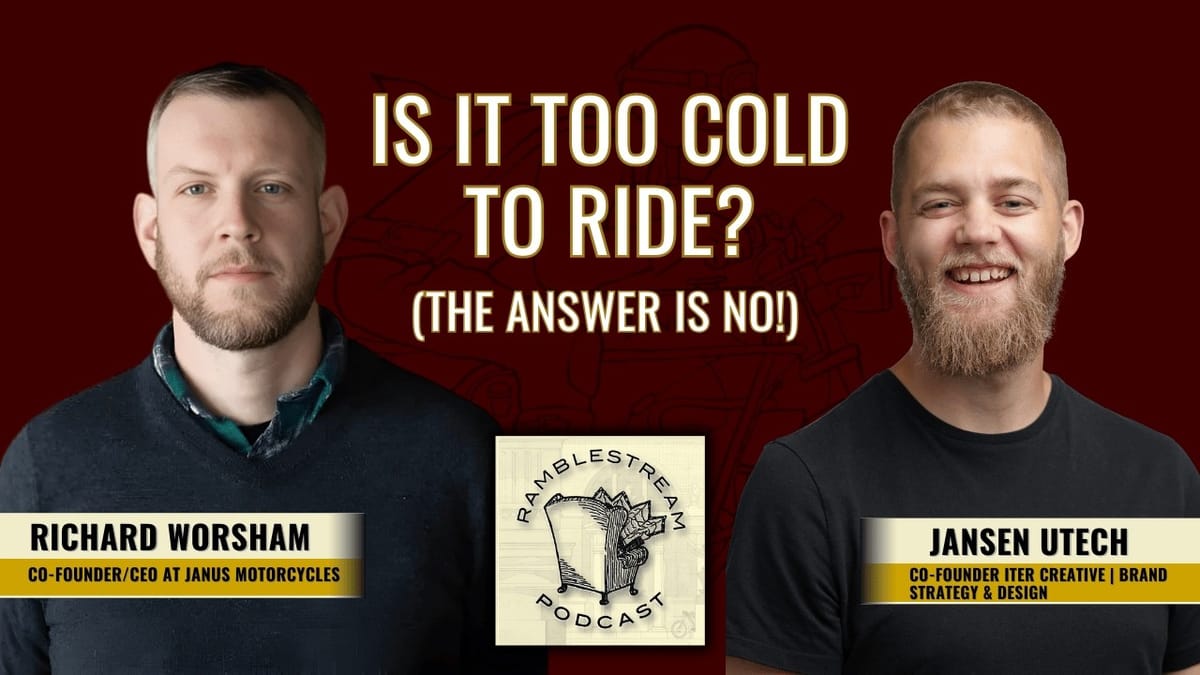
A good ride doesn’t have to be long to change your day. We pour tea, raise a glass of rye with a story, read Robert Frost’s “Two Leading Lights,” and then dig into the art of making winter rides simple, safe, and fun. The throughline is preparation that frees you to be spontaneous: keep your essentials at hand, know your checklist, and treat twenty minutes as enough to reset your mood and keep your motorcycle healthy.
We break down the three pieces of gear that make the biggest difference in cold weather, warm gloves that protect dexterity, a full-face helmet for warmth and clear vision, and a neck gaiter or silk scarf to block drafts, then layer in what you already own. From there we shift to winter roadcraft: how cold asphalt and sleepy tires change traction, where salt and sand lurk after a melt, and why drivers aren’t primed to see you yet. The move is smooth inputs, longer following distances, and a mindset tuned to margin. Short loops shine here; they’re easy to fit into life and deliver real throttle therapy without demanding heating everything.
We also walk through a spring-ready pre-ride inspection inspired by the Motorcycle Safety Foundation's T-CLOCS: tires and wheels, controls, lights, oil, chain, fasteners, and bearings. Even if you didn’t rack up miles last season, changing old oil matters, and a regular 20-minute ride can burn off condensation and keep your battery topped. Along the way we celebrate the lineage that ties aviation to motorcycling, leather for warmth and abrasion, silk scarves for comfort, and share community updates, from member tiers to Phoenix 450 development notes. The goal is simple: ride more with intention, stay safe, and keep the joy close at hand.
If this resonated, follow the show, share it with a friend who’s waiting for warmer days, and leave a quick review to help more riders find us. Then gear up, grab those keys, and tell us: what’s your must-do pre-ride check before your first cold-weather ramble?
From livestream #119 - 03/02/26
More About this Episode
The 20-Minute Cure: Beating the Winter Blues on Two Wheels
If you’ve spent any time in the northern latitudes during the months of January and February, you know the feeling. The sky is a persistent shade of slate, the motorcycles are tucked away under dusty covers in the garage, and your "throttle therapy" has been replaced by pacing around the living room. Most riders look at a thermometer reading 35 degrees and decide the season is over. But at Janus Motorcycles, we tend to look at things a little differently.
I’m Richard Worsham, co-founder and head of design here at Janus, and on this week’s episode of the Ramblestream Podcast, Jansen and I dove into why you shouldn't let the calendar dictate your riding schedule. We call it the "20-minute cure." It’s the idea that a short, spontaneous ramble, even in the dead of winter, is often exactly what the doctor ordered for both your mental health and the mechanical health of your machine.
The Philosophy of the Short Ride
There is a common misconception that if a ride doesn't involve a 200 mile loop and a destination lunch, it isn't "worth the effort" of getting geared up. In the winter, this mindset is the enemy. When it is cold out, you aren't looking for a cross country touring expedition. You are looking for a quick reset.
I rode my 2009 Kawasaki KLR and my 2017 Halcyon 250 just this week. Was it freezing? Yes. Was I out for hours? No. But that 20 minute spin around town was enough to clear my head after a stressful day. The limiting factor for riding shouldn't be the temperature; it should be the road conditions. If there is ice or heavy salt on the asphalt, stay home. But if the roads are clear and dry, there is a world of riding still available to you.
Your Top Three Winter Essentials
You don't need a $1,000 heated suit to enjoy a winter ramble. You can be spontaneous as long as you are prepared. If you keep your gear organized and accessible, you can go from "thinking about a ride" to "kicking the stand up" in five minutes. Here are the three pieces of gear that make winter riding viable:
- Warm Gloves: This is non-negotiable. Your hands are the first things to catch the wind, and cold fingers lead to a loss of manual dexterity. If you can’t feel your clutch or brake lever, you aren't safe. You don't need fancy motorcycle-specific winter gloves; a good pair of snowmobile gloves often provides better insulation for a fraction of the price.
- A Full-Face Helmet: I often see people on scooters riding around in ski masks and goggles with no helmet. Aside from the obvious safety risks, a helmet is simply the warmest thing you can put on your head. It blocks the wind and traps your body heat.
- Neck Protection: This is the most underrated piece of winter gear. A silk scarf or a dedicated neck gator seals the gap between your helmet and your jacket. Pilots wore silk scarves for a reason, they block the wind and prevent skin chafing while you are checking your blind spots.
Technical Benefits for Your Motorcycle
Riding in the winter isn't just about your soul; it’s about the soul of the motorcycle. Modern fuel is notorious for breaking down and "gumming up" carburetors if it sits for too long. While you could drain your float bowl or use fuel stabilizer, the absolute best way to maintain a bike is to run it.
A 20-minute ride allows the engine to reach its full operating temperature. This does three vital things:
- Boils off condensation: Moisture builds up in your oil during temperature swings. Getting the oil hot burns that water off.
- Tops up the battery: Even a short ride helps keep your battery healthy without needing to rely solely on a tender.
- Circulates fluids: It keeps seals lubricated and prevents the internal components of your carburetor from drying out and developing varnish.
Navigating the Winter Road
Winter riding requires a different mental "map" than summer cruising. First, you have to remember that cold tires equal less grip. The asphalt is cold, and your rubber won't reach the same "sticky" temperature it does in July. You need to increase your following distances and lean into corners with much more caution.
Second, be aware of "winter debris." Snowmelt often leaves behind patches of sand, salt, and gravel in the middle of corners. These are literal "marbles" that can wash out your front end if you aren't looking for them. Finally, remember that drivers are not looking for you. In the winter, motorists have "turned off" the part of their brain that looks for motorcycles. Ride extra defensively and assume you are invisible.
Preparing for the Spring Awakening
As we move toward the end of March, many of you are pulling bikes out that have been sitting for months. This is the perfect time to perform a "T-CLOCS" inspection. We outline this in our Rambler’s Companion book, but the basics are simple:
- Tires: Check for dry rot and proper pressure.
- Controls: Ensure your throttle and clutch cables move smoothly.
- Lights: Test your brake light and turn signals.
- Oil: Even if you haven't hit your mileage limit, spring is the best time for a fresh oil change to remove any winter contaminants.
- Chassis/Chain: Check for any loose fasteners or rust on the drive chain.
The 20-Minute Challenge
The next time you look out the window and feel that winter lethargy setting in, don't wait for a 70-degree day. Grab your long johns, wrap a scarf around your neck, and take the bike around the block. You’ll find that the cold air hitting your face is the most effective antidepressant on the market.
Rambling is the kind of riding most of us do most of the time. It doesn't have to be a grand adventure to be meaningful. Sometimes, the best adventure is just the one that gets you out of the house.